

Rooted in the African philosophy of Ubuntu – “I am because we are” – the project connects ecological responsibility with community empowerment to build a more sustainable future. Eco-Ubuntu operates across South Africa, Lesotho, and Eswatini, reaching young people in vulnerable and underserved communities.
Through 5 key pillars – Green life skills education, sustainable cultivation & food security, hydroponics & Innovative agriculture, waste management & circular economy, and renewable energy & green employment – the project equips communities with green skills, infrastructure, and opportunities for sustainable livelihoods
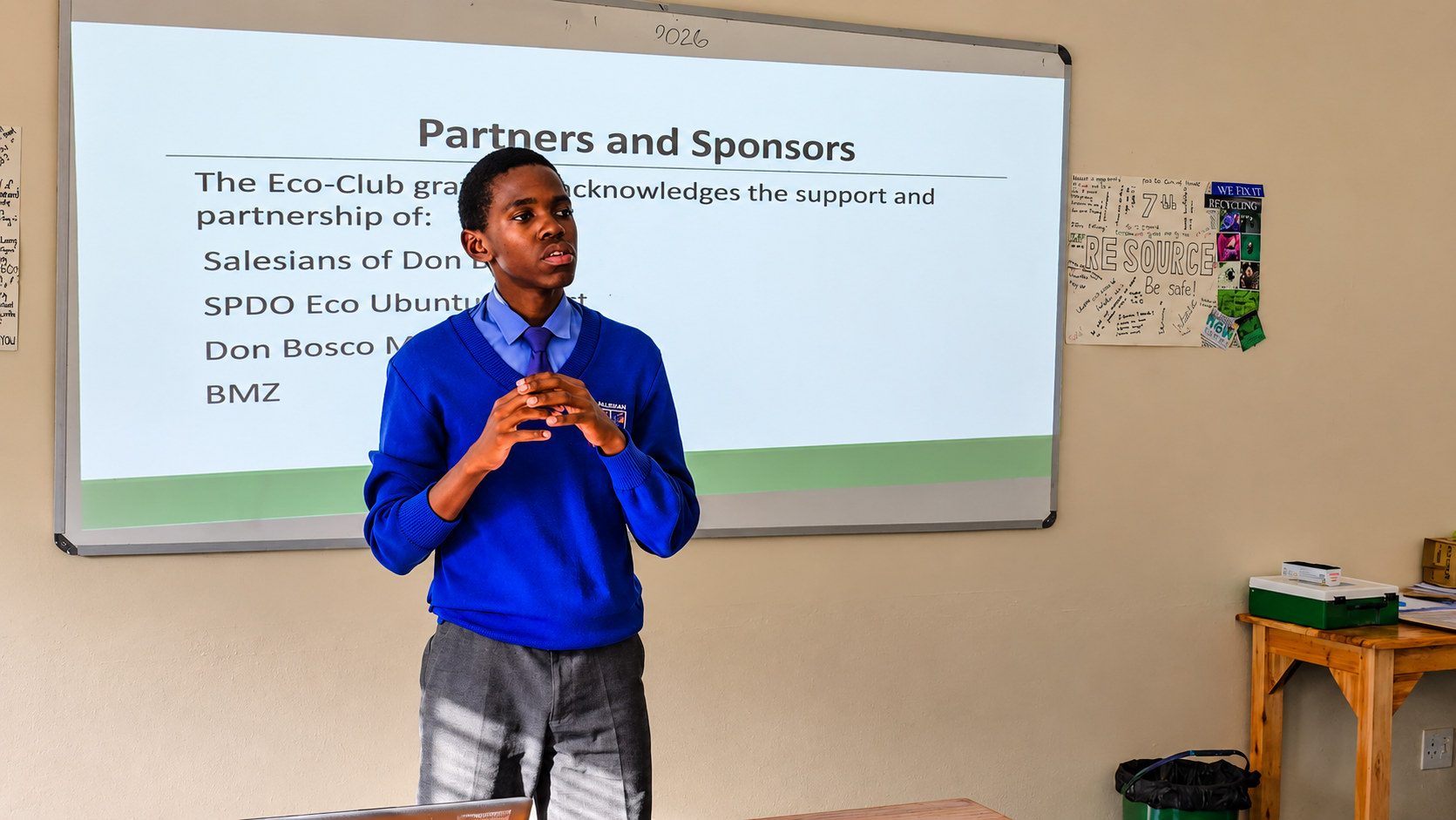
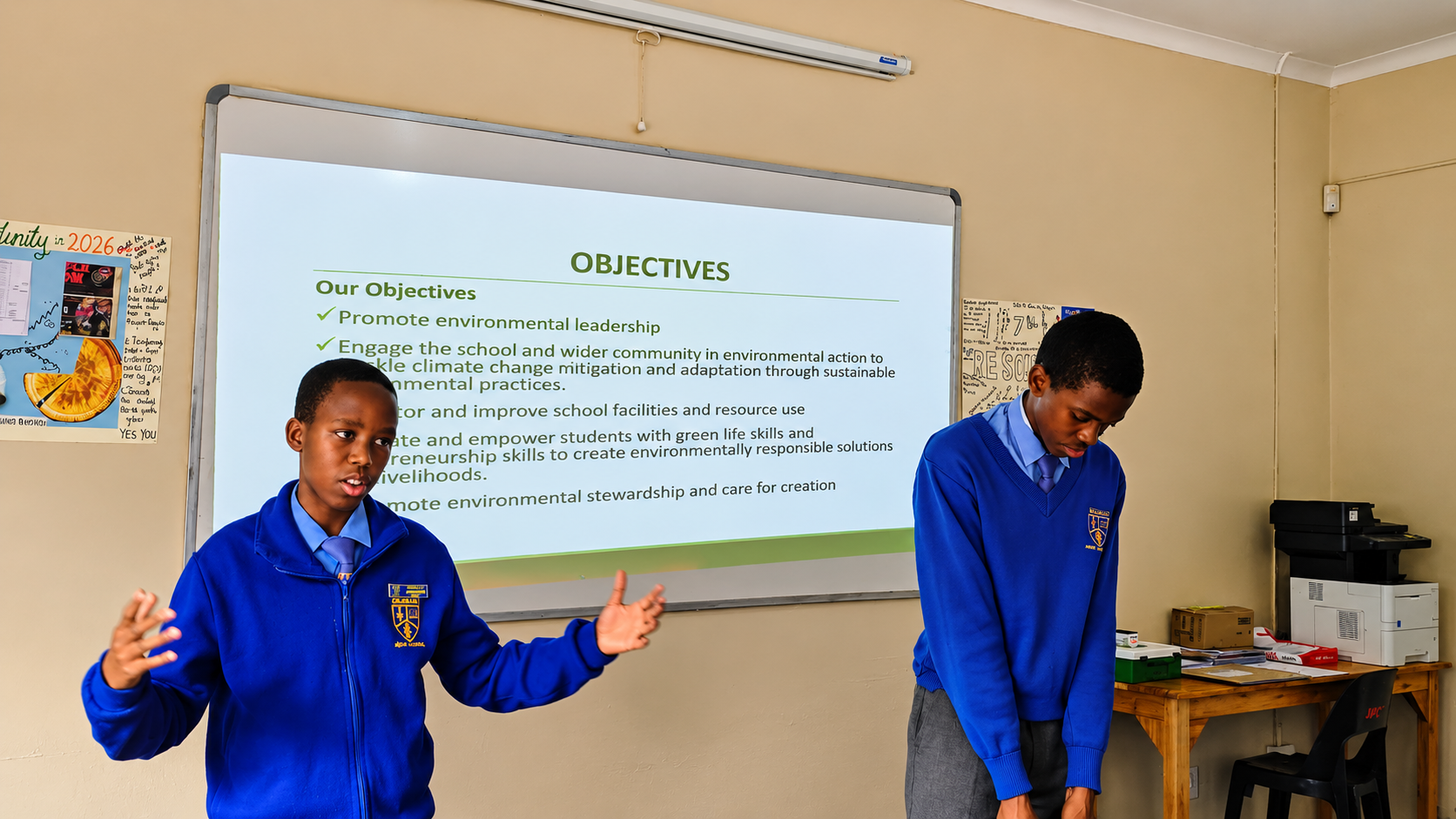
The Eco-Ubuntu Programme is building a culture of environmental sustainability by equipping young people with practical green life skills that inspire environmentally responsible behaviour and sustainable living. Through structured learning activities, learners gain knowledge on climate change action, resource conservation, environmental stewardship, and community responsibility. Young people actively lead climate awareness and action in their communities.
Growing food, resilience, and environmental stewardship.
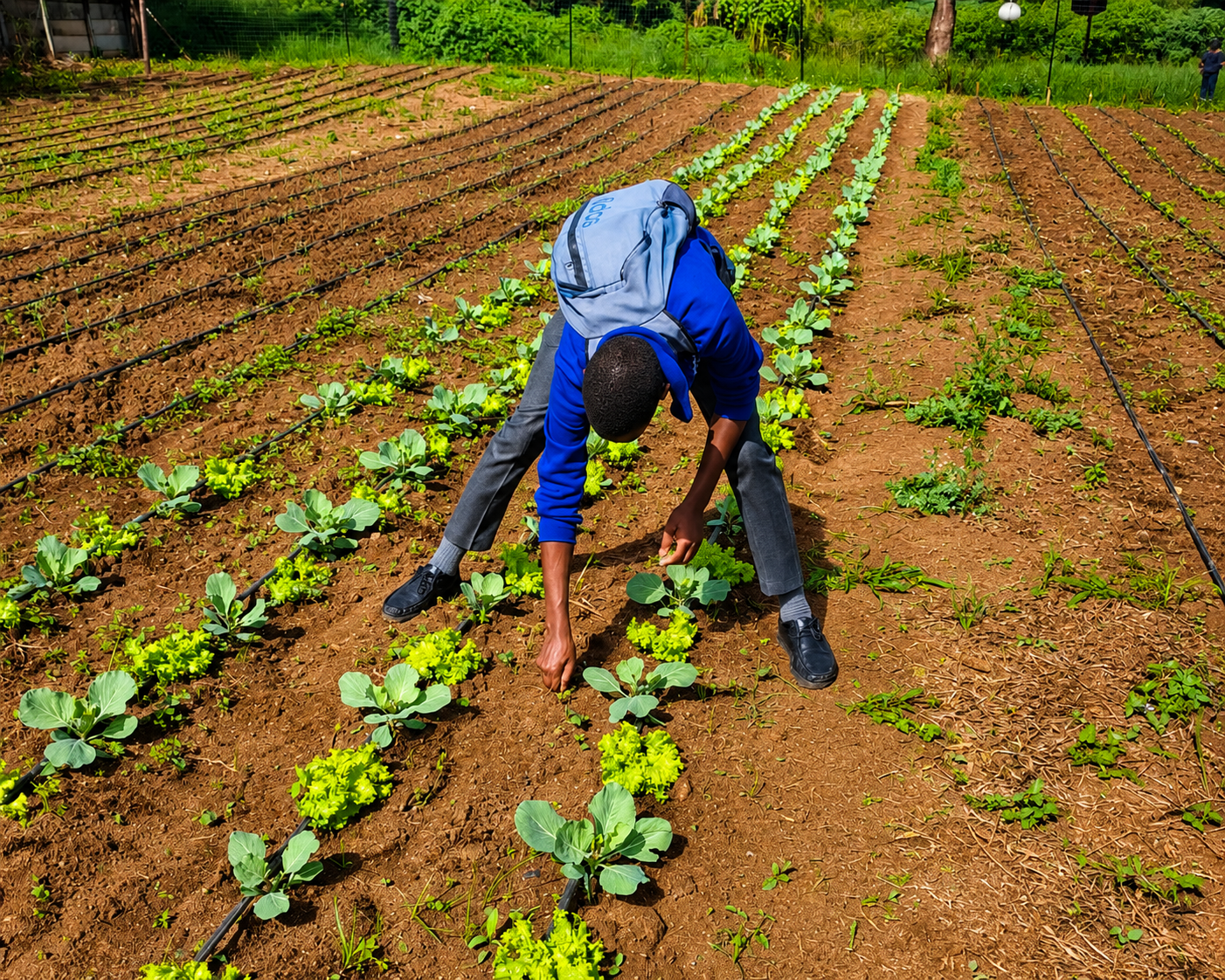
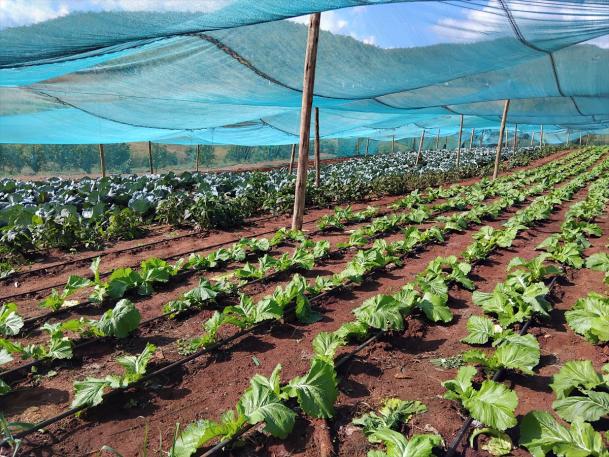
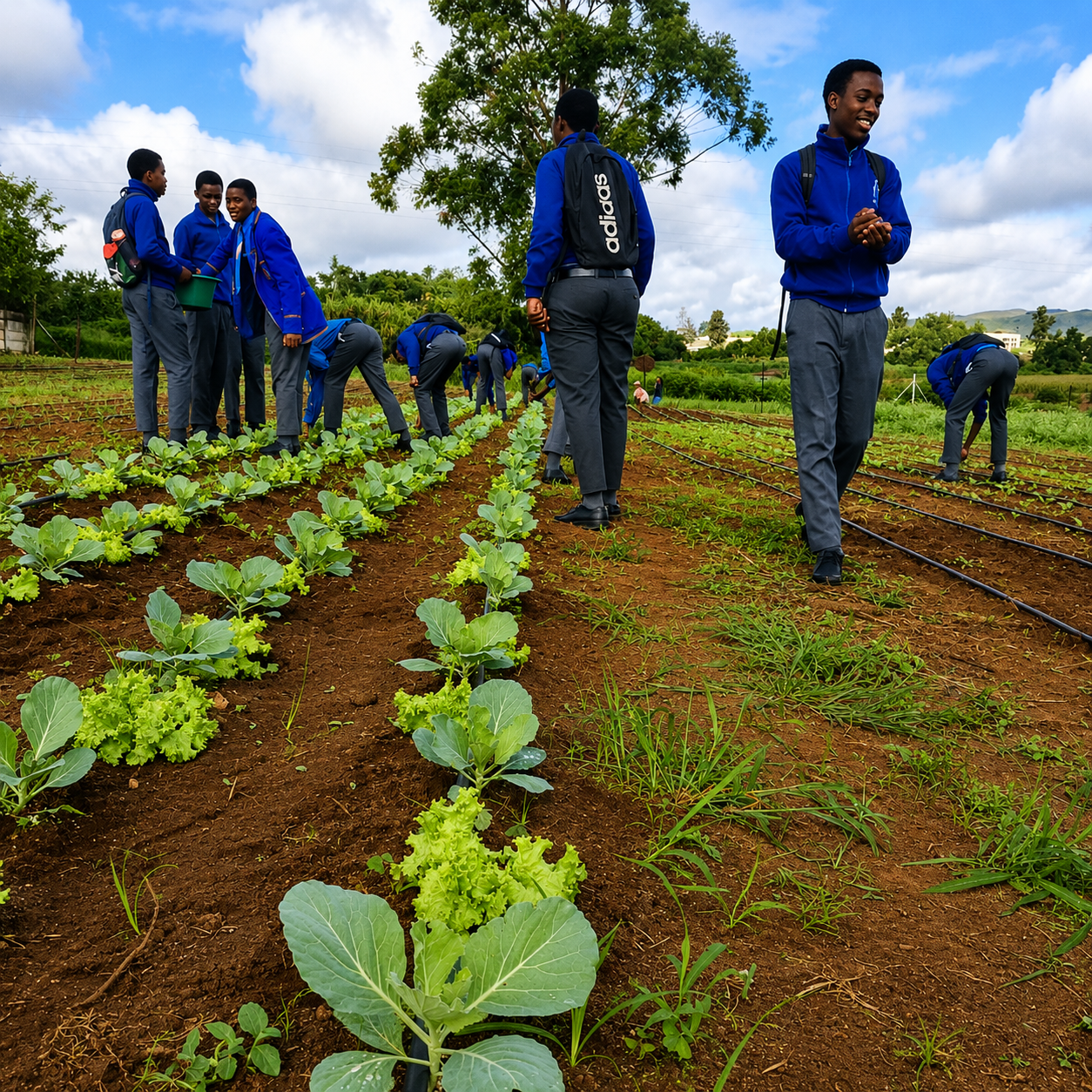
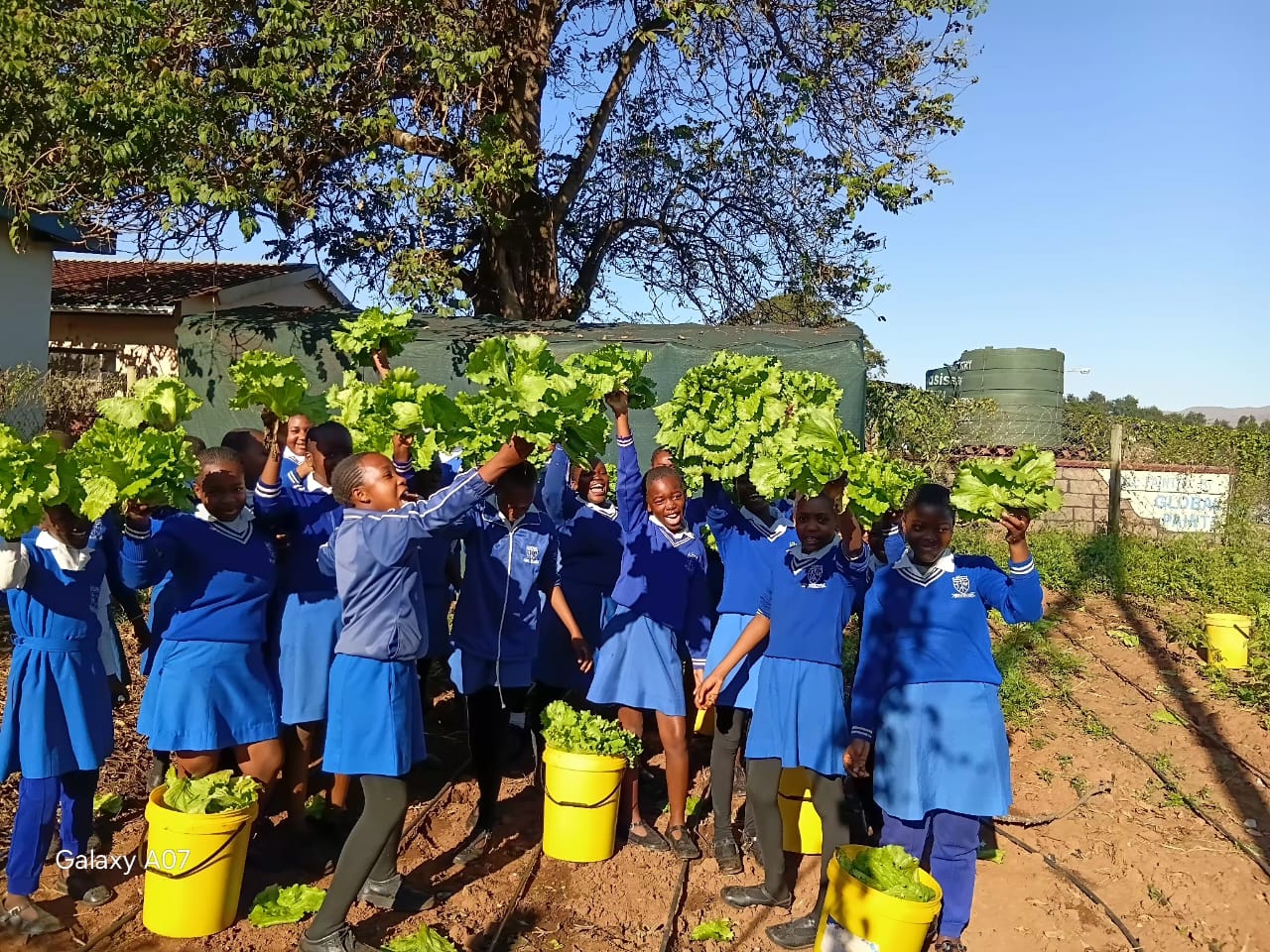
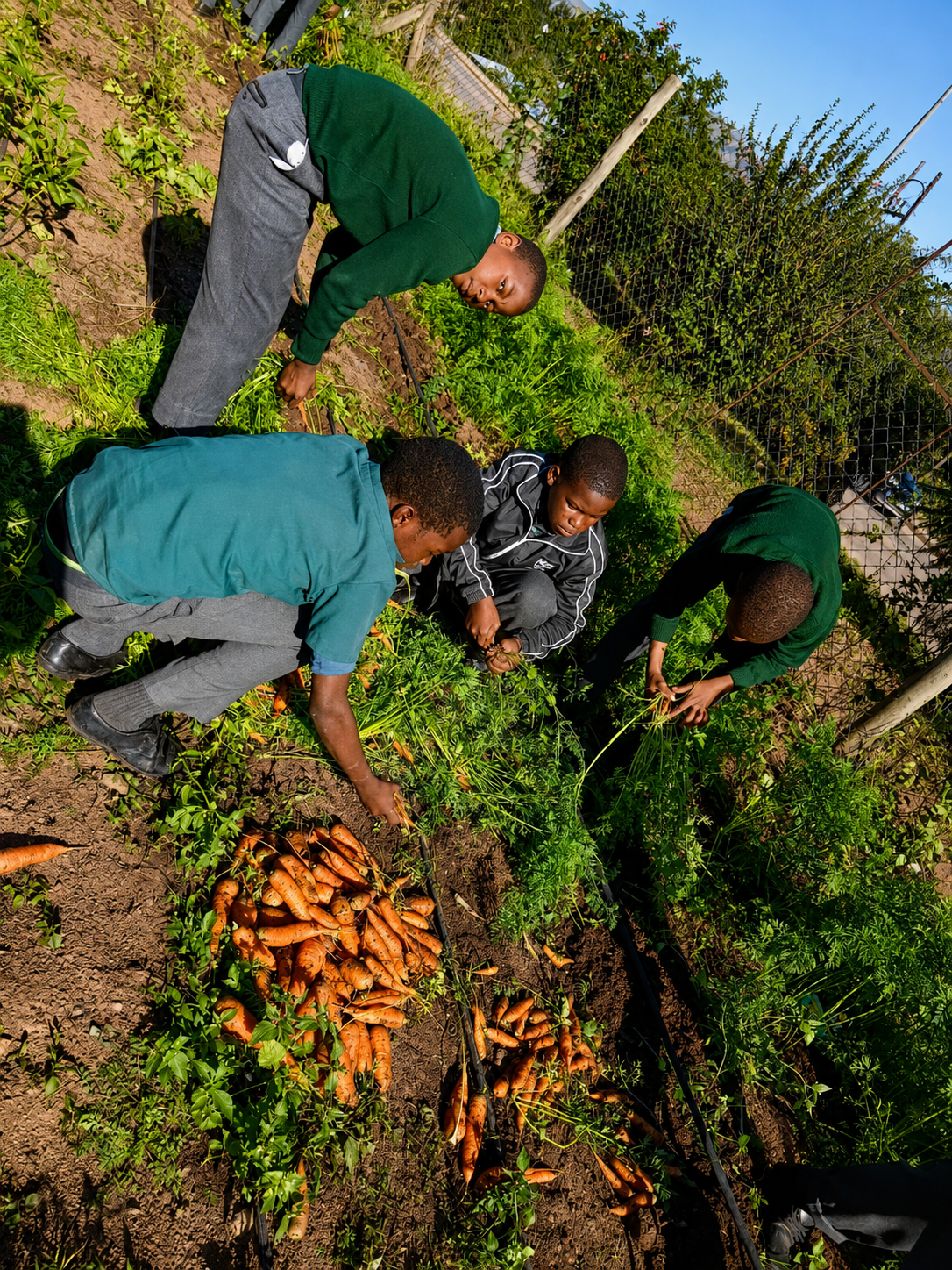
This pillar promotes climate-smart agriculture through sustainable gardening, improving food security, nutrition, and livelihoods. Learners receive hands-on training in environmentally friendly cultivation techniques while participating in school and community gardens. These gardens not only serve as learning spaces but also contribute to school feeding programmes and generate income that supports long-term sustainability
Growing more with less.
Young people are developing food security solutions through hydroponic farming systems. Eco-Ubuntu introduces young people and communities to innovative methods of food production that require less land and water. Participants learn modern agricultural techniques while producing fresh vegetables for household consumption, school feeding programmes, and generating income.
Transforming waste into opportunity.
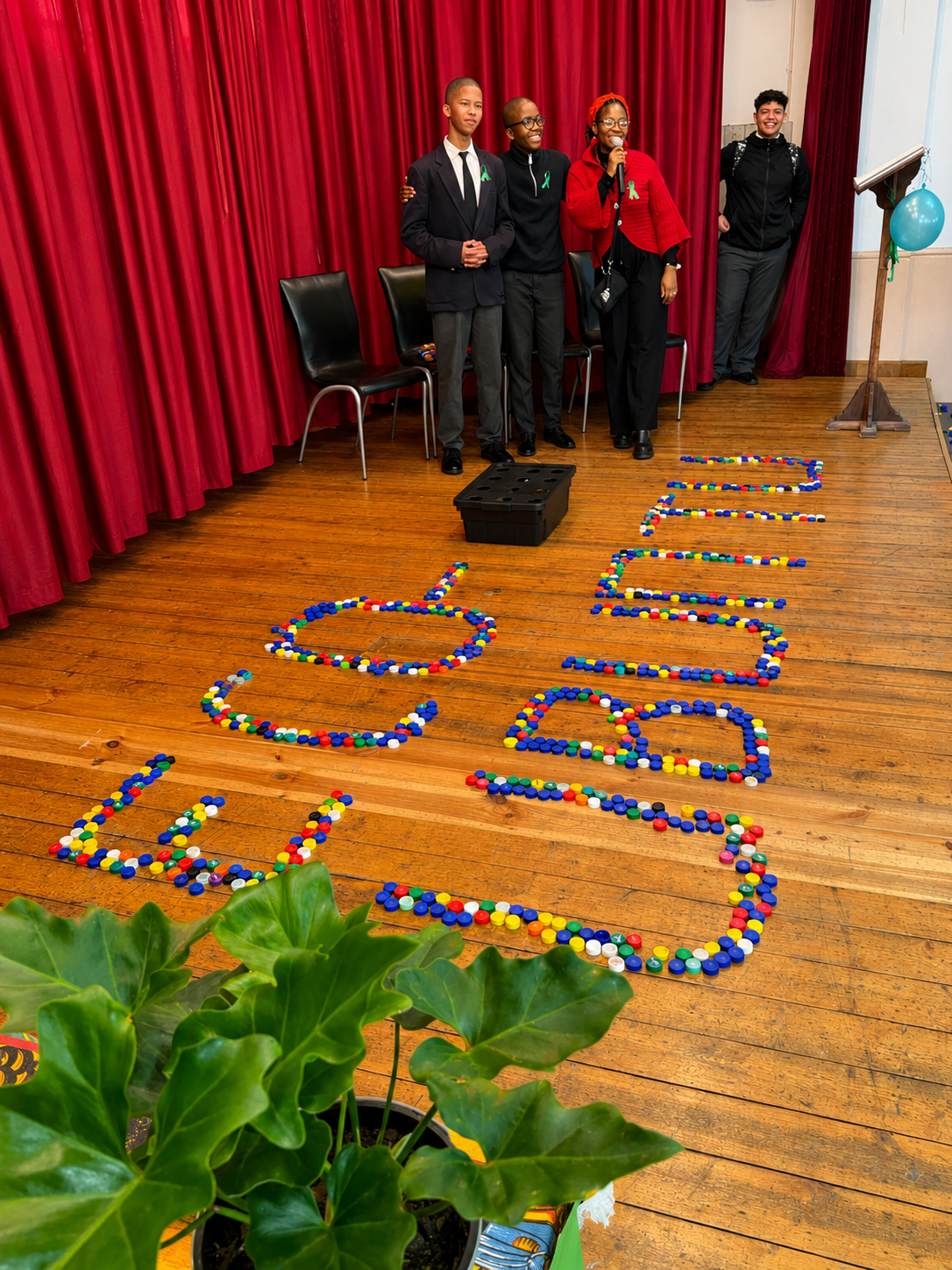
Eco-Ubuntu promotes responsible waste management through recycling initiatives and Material Recovery Centers (MRCs). Learners and communities are trained to reduce, separate, recycle, and repurpose waste, helping to create cleaner environments while generating economic opportunities. By viewing waste as a resource rather than a problem, participants contribute to healthier and more sustainable communities.
Empowering the youth for the green economy.
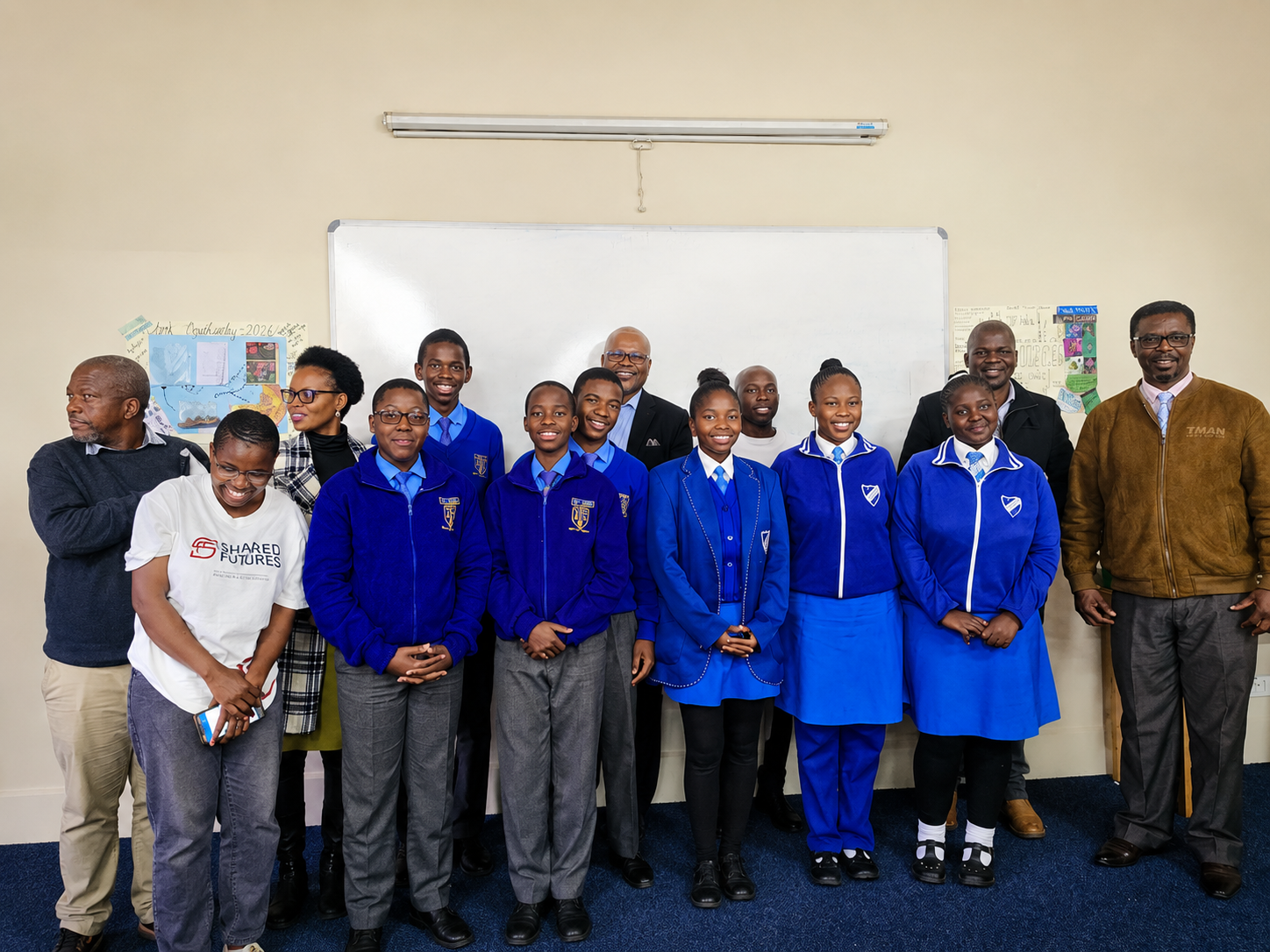
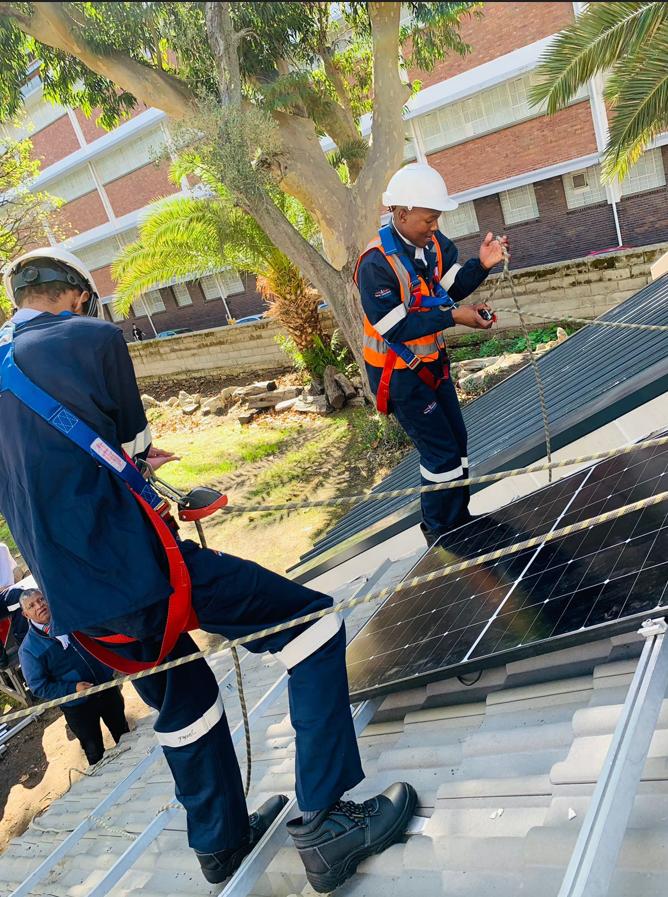
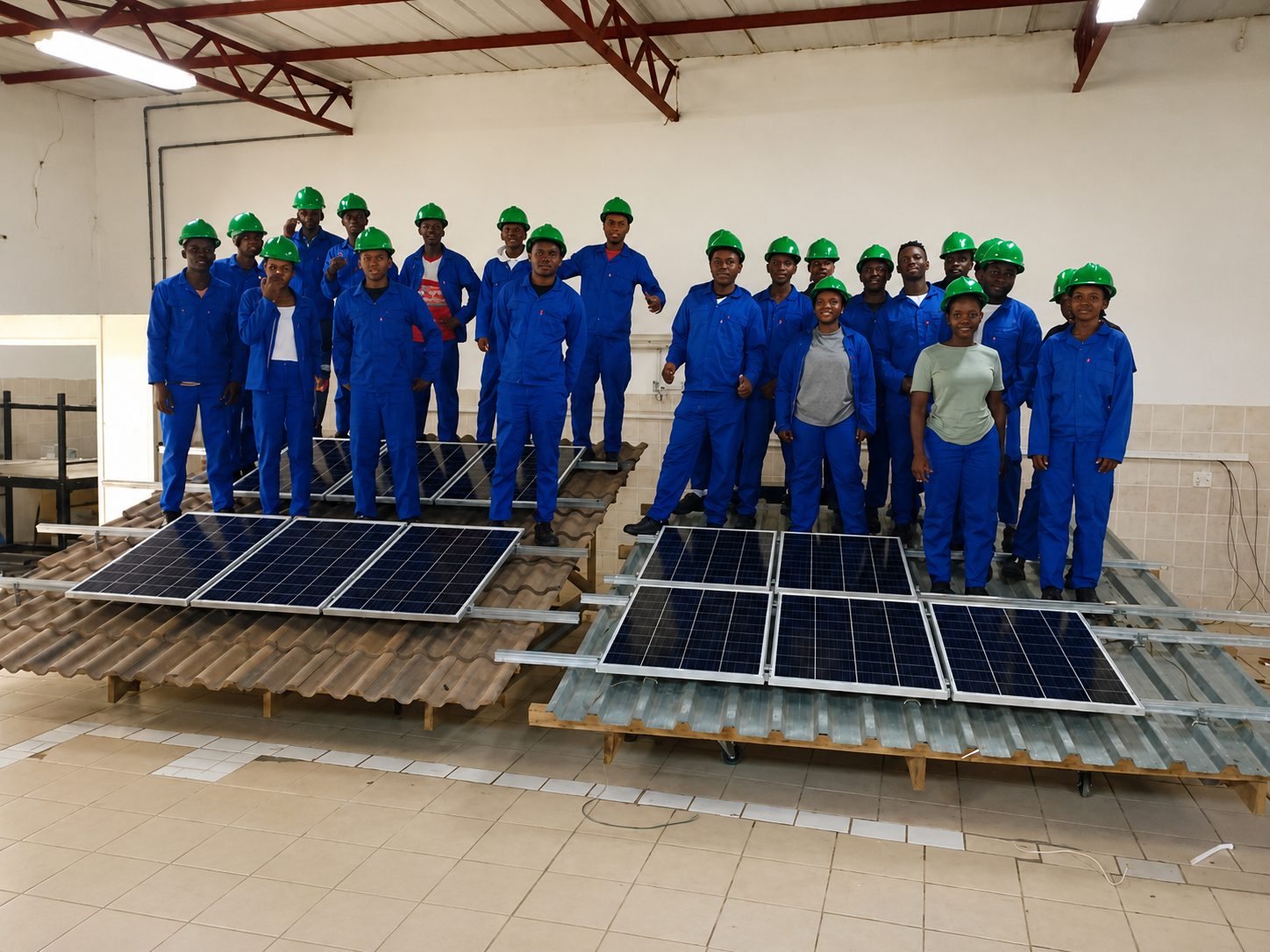
The Eco-Ubuntu solar training programme has provided young people with an opportunity to participate in accredited solar technology courses. This gives them practical renewable energy skills, and pathways to employment. Through hands-on learning, workshop training, and industry-aligned certification, participants have gained the knowledge needed to pursue careers in this growing green economy.
Every drop counts.
Access to reliable water is essential for healthy communities, sustainable agriculture, and food security. Through the Eco-Ubuntu Project, SPDO has supported schools and centres with sustainable water solutions that provide clean water for drinking and enable climate smart farming practices. Through the installation of boreholes, solar powered water systems, and the implementation of irrigation schemes, SPDO looks to ensure a truly sustainable tomorrow.
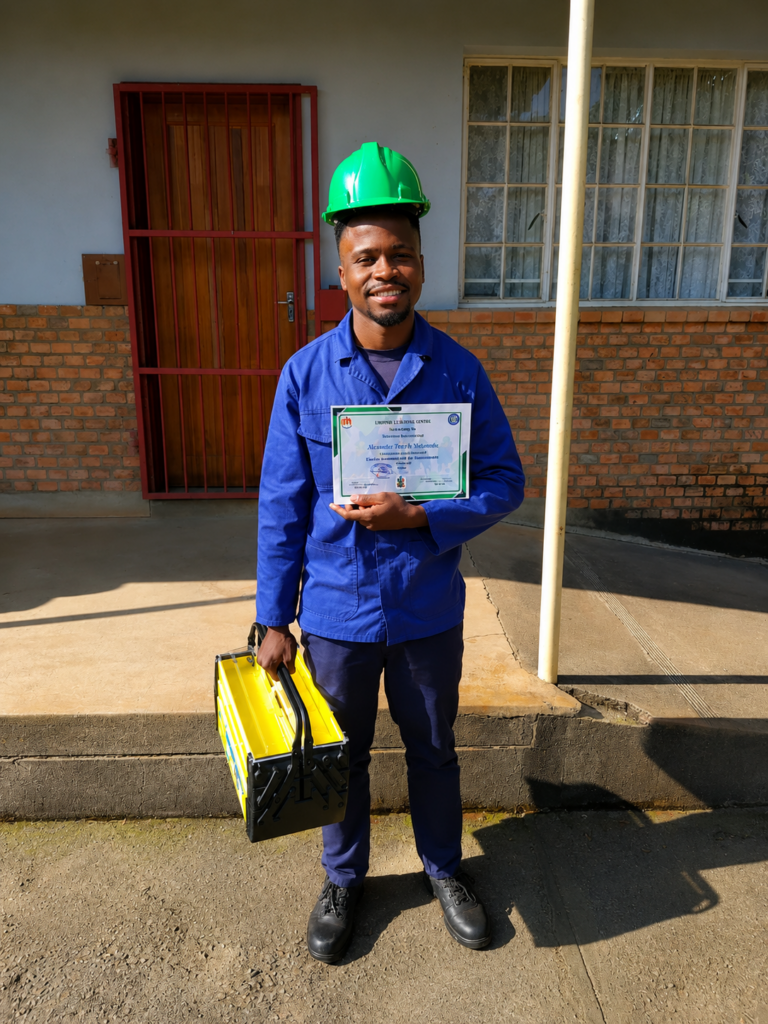
Solar Skills: Pathway to Green Employment
Another year, another graduate. The solar training programme has produced over 231 graduates since its inception. This training is helping build a new generation of skilled young professionals. With 60% of our graduates either becoming an entrepreneur or being employed, the programme ensures that we have young professionals driving the transition towards sustainable energy solutions in southern Africa.
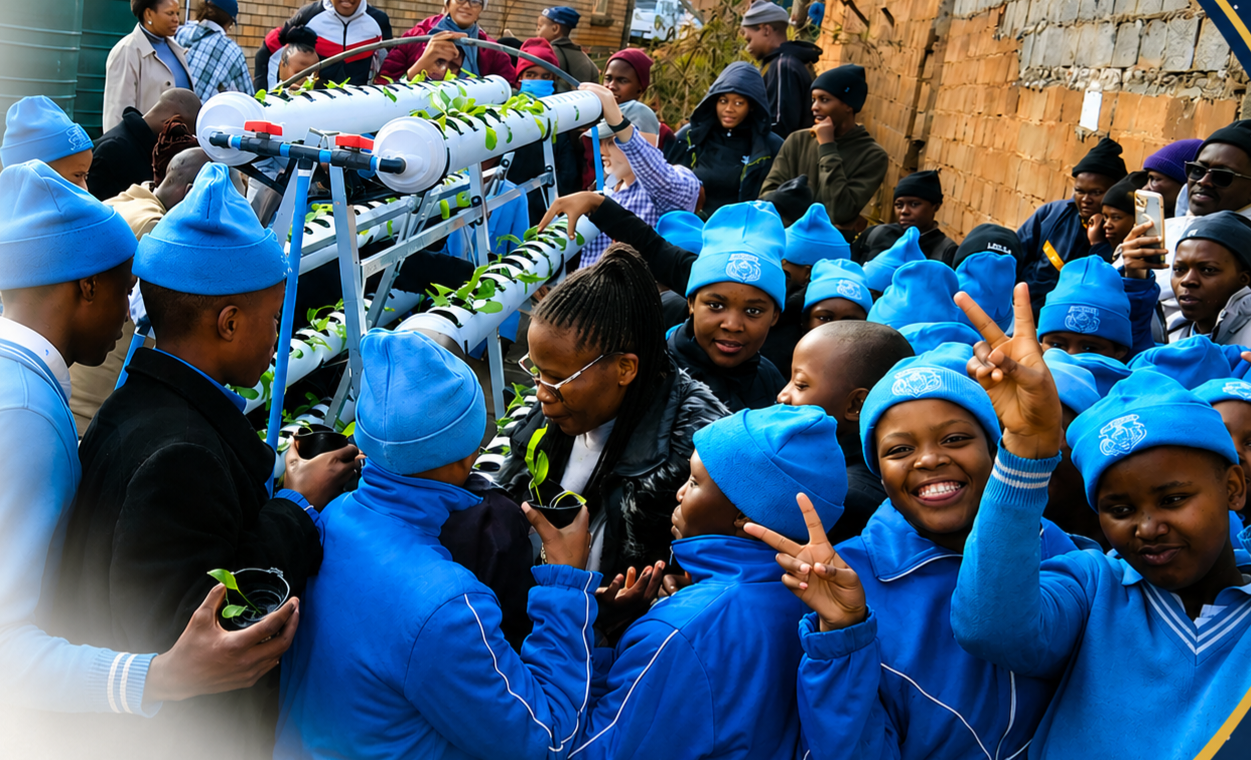
Smart Agriculture for Food Security
The hydroponics initiatives have expanded across project sites, including Cape Town, Johannesburg, Lesotho and Eswatini. Through the Eco-Ubuntu programme hydroponic kits have been distributed, and over 15 hydroponic systems have been installed across the region. This initiative allows young people to gain practical skills in modern farming methods, nutrition management and climate-resilient food production.
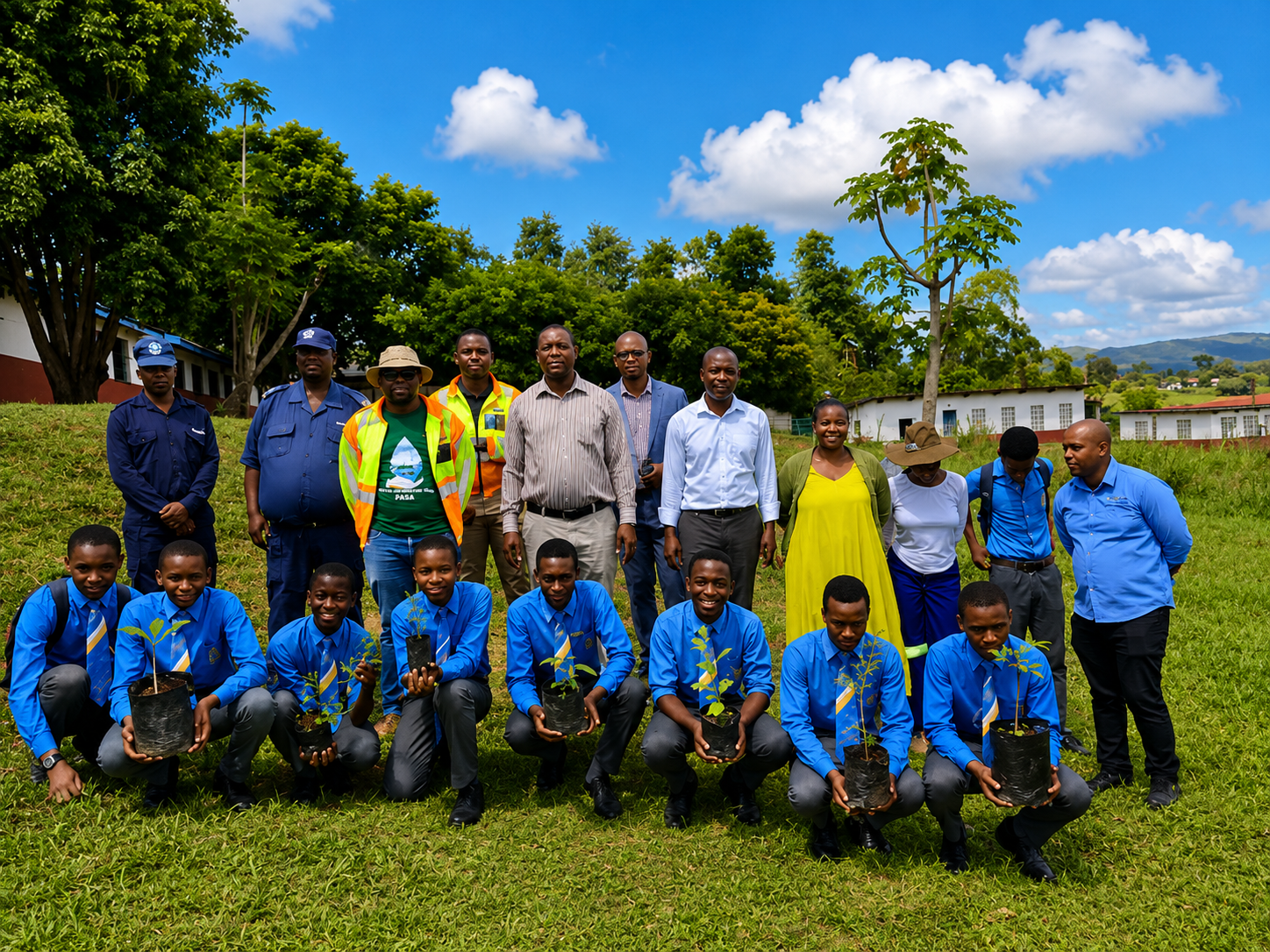
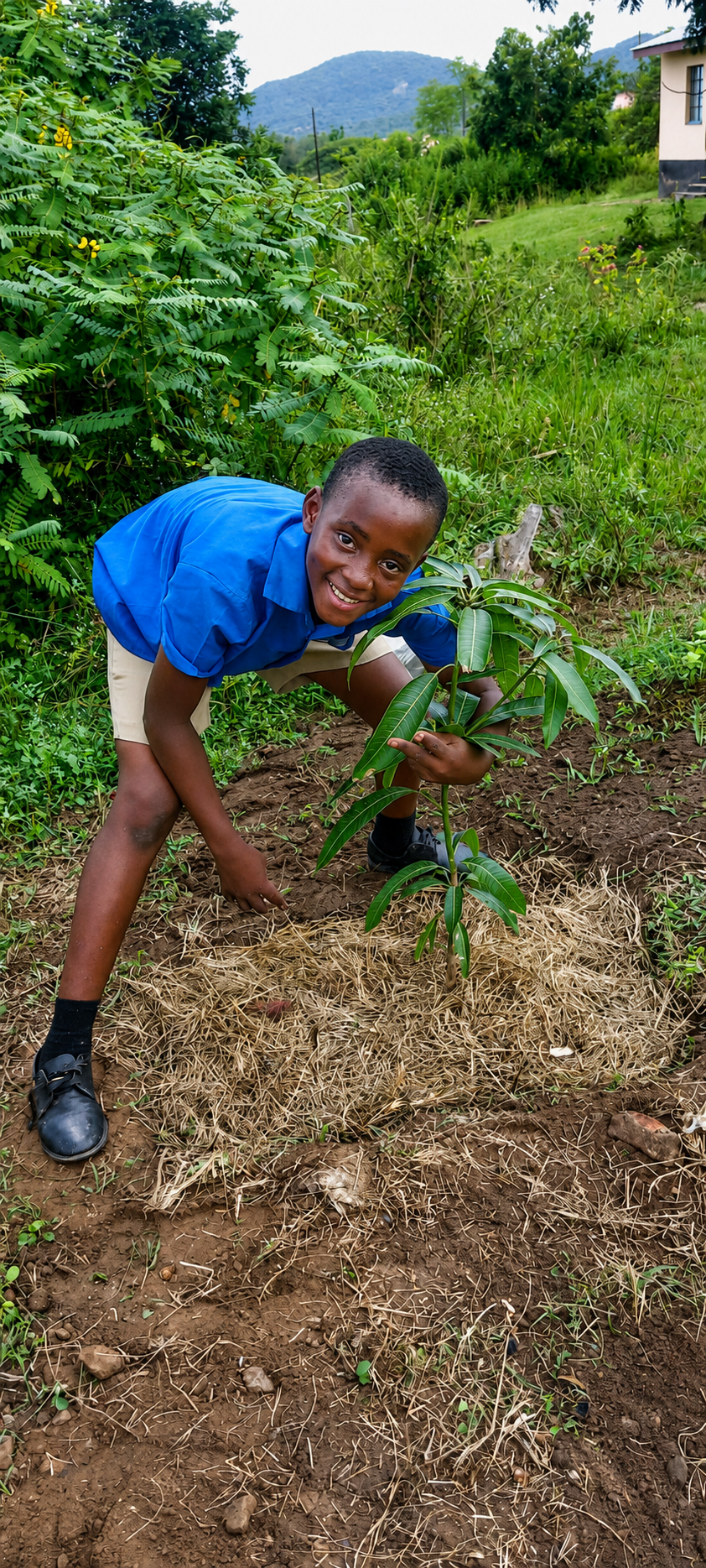
Environmental Stewardship
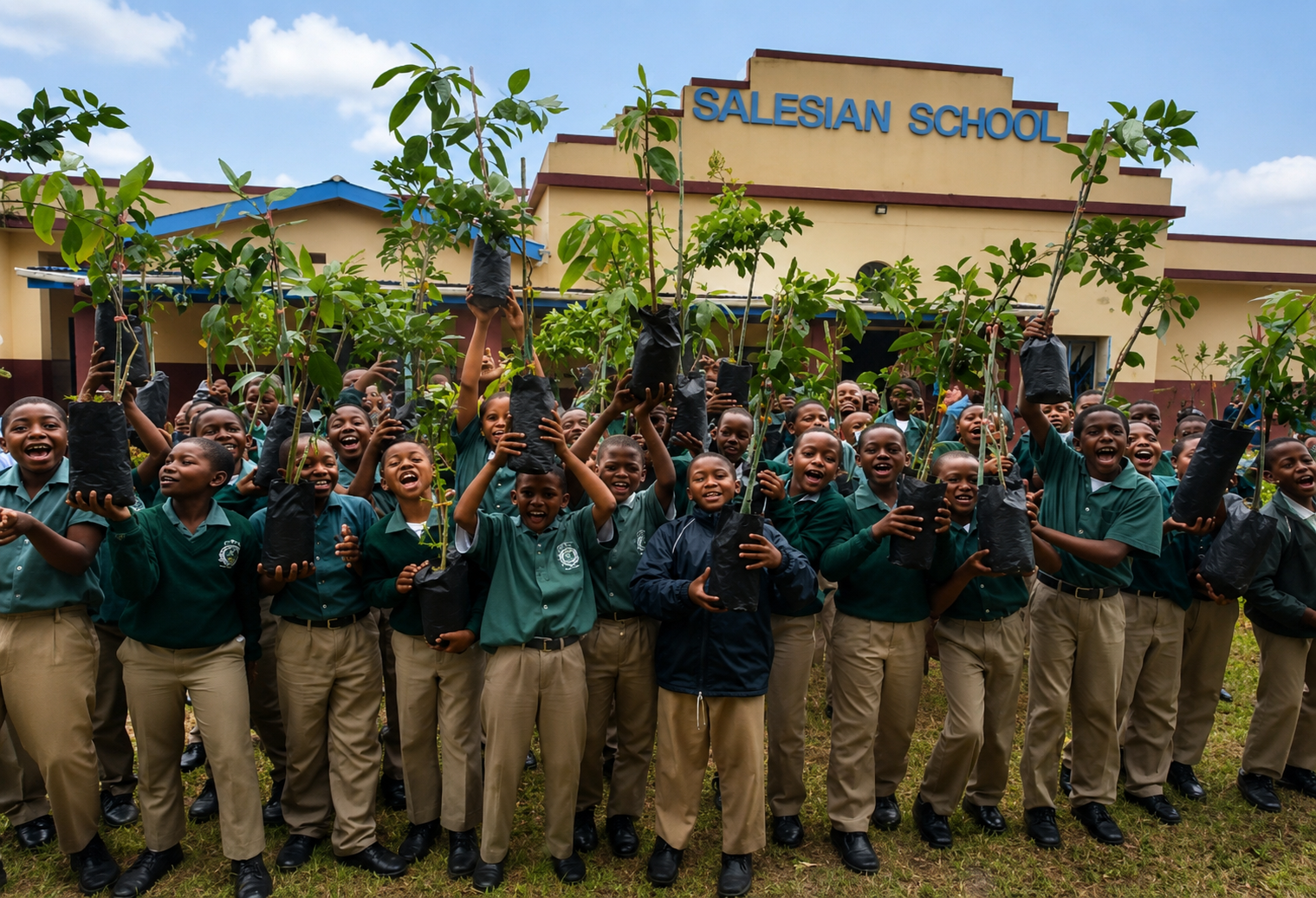
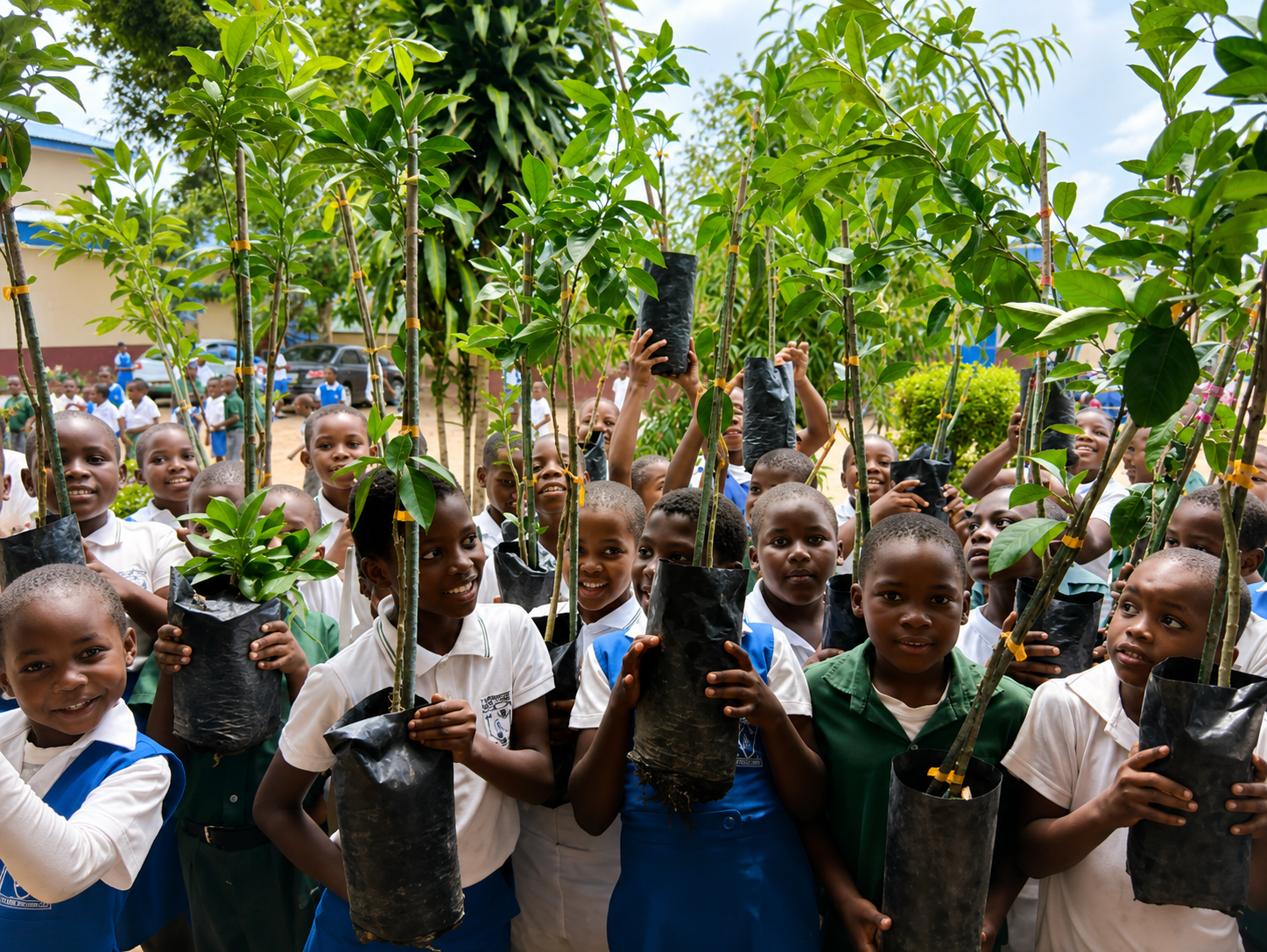
The green life skills initiative has established Eco clubs, Green Delegates, and the Tree Legacy Programme. Eco-Ubuntu is empowering young people to become environmental leaders in their communities. To date, 65 green delegates have been trained, and 700 trees have been distributed across 7 schools in Eswatini through the Tree Legacy Programme. And 13 sustainable gardens are being supported across the three countries: Eswatini(8), South Africa (1), Lesotho(4).
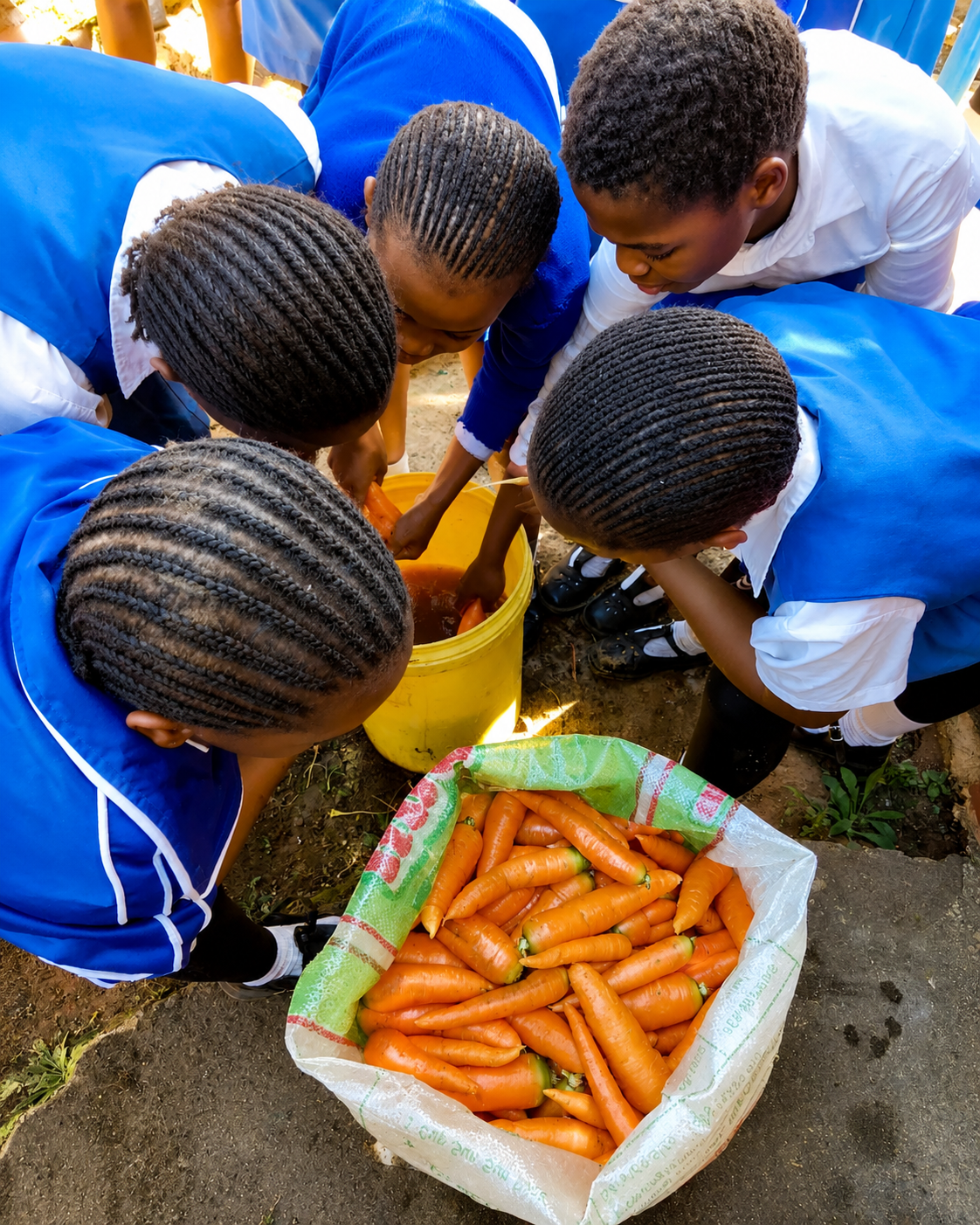








Join Us in Building a Greener Future
Partner with us to expand access to green skills, empower young leaders and grow environmental solutions across the region.